Film followed by a panel discussion featuring Dudley Alexis (film director), Nicole Crooks (community advocate) and Marcie R. Washington (producer). Tickets are only $5!
As Miami confronts rising seas, extreme heat, and intensifying storms, Edge of Hope reveals how climate change disproportionately impacts vulnerable communities already burdened by systemic inequities.
Climate change is no longer a distant threat—it is a lived reality in Miami. As hurricanes intensify, sea levels rise, extreme heat becomes more frequent, and displacement reshapes neighborhoods, the crisis reveals not only environmental vulnerability but deep-rooted social inequities. Edge of Hope confronts this reality head-on. The film explores how systemic injustices—often hidden, overlooked, or conveniently forgotten—limit a community’s ability to respond to and recover from climate disasters. Directed by Dudley Alexis and produced by Marcie R. Washington, Edge of Hope weaves together a mosaic of voices—experts, organizers, and community advocates—who illuminate the challenges within affected neighborhoods. Their stories serve as a crucial reminder that hope and action remain vital in the face of a global crisis.
About Dudley Alexis
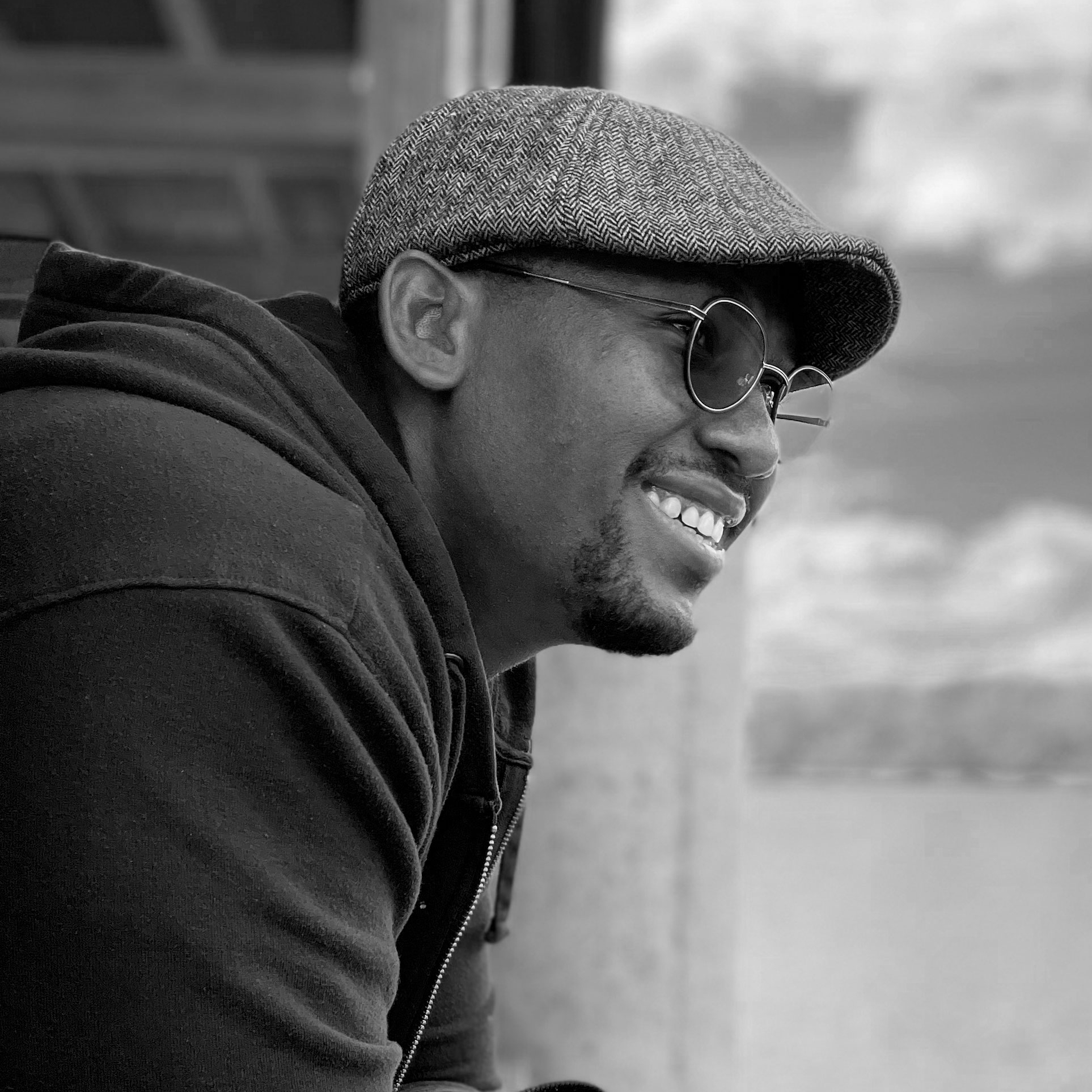
Dudley Alexis is an independent filmmaker that uses his lens to document the stories of people who are often overlooked. His storytelling is able to reveal their tales of tragedy and triumph, all while emphasizing their drive for dignity and equality in a world that frequently marginalizes them. His work focuses on the intersections between social justice, climate change, economics, and cultural memory. Dudley began his career as a filmmaker and visual artist in Miami, Florida, where he started producing short documentary pieces focused on the First Nation Miccosukee Tribe of Florida. His body of work has since grown to include several impactful documentaries, such as Liberty in a Soup (2016), which was recognized by UNESCO following the designation of Soup Joumou as an intangible cultural heritage. His acclaimed documentary, When Liberty Burns, offers an in-depth exploration of the life and tragic death of Arthur McDuffie at the hands of Miami-Dade police in 1979. This film earned nominations for both the Suncoast Regional Emmy Awards and the Knight Made in Miami Film Award. Recent works include the Edge of Hope, an examination of communities grappling with the frontlines of climate injustice in Miami, Florida. The Creole Pig: Haiti’s Great Loss (released on WLRN and PBS in 2025), tells the story of a vital and resilient animal central to Haitian rural life that was eradicated in the 1980s by the USDA and Haitian government—an event that deepened the country’s economic challenges.
About Nicole Crooks
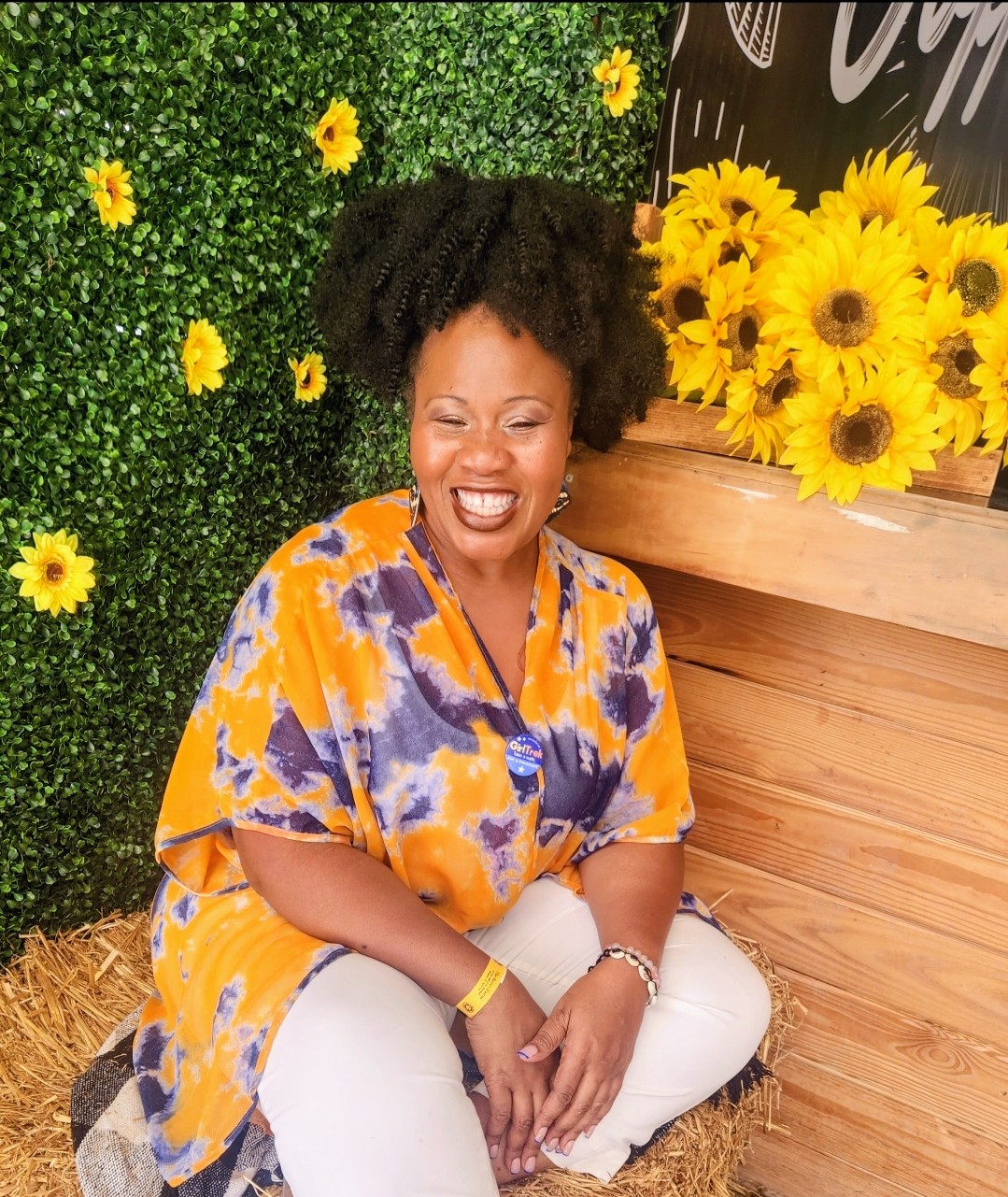
Nicole Crooks is a longtime Overtown resident who lives and organizes in one of Miami’s oldest Black neighborhoods — now confronting climate gentrification. As the Community Engagement Manager with Catalyst Miami and a proud GirlTREK member, her work sits at the intersection of climate justice, historic preservation and community well-being. Through the stories of our elders and the wisdom of our children, Nicole understands that climate displacement is the intentional unraveling of legacy and the erasure of history. At the edge of hope, she creates spaces for healing, honoring ancestral sacrifice while working to protect what remains rooted.
About Marcie Washington, Ph.D.
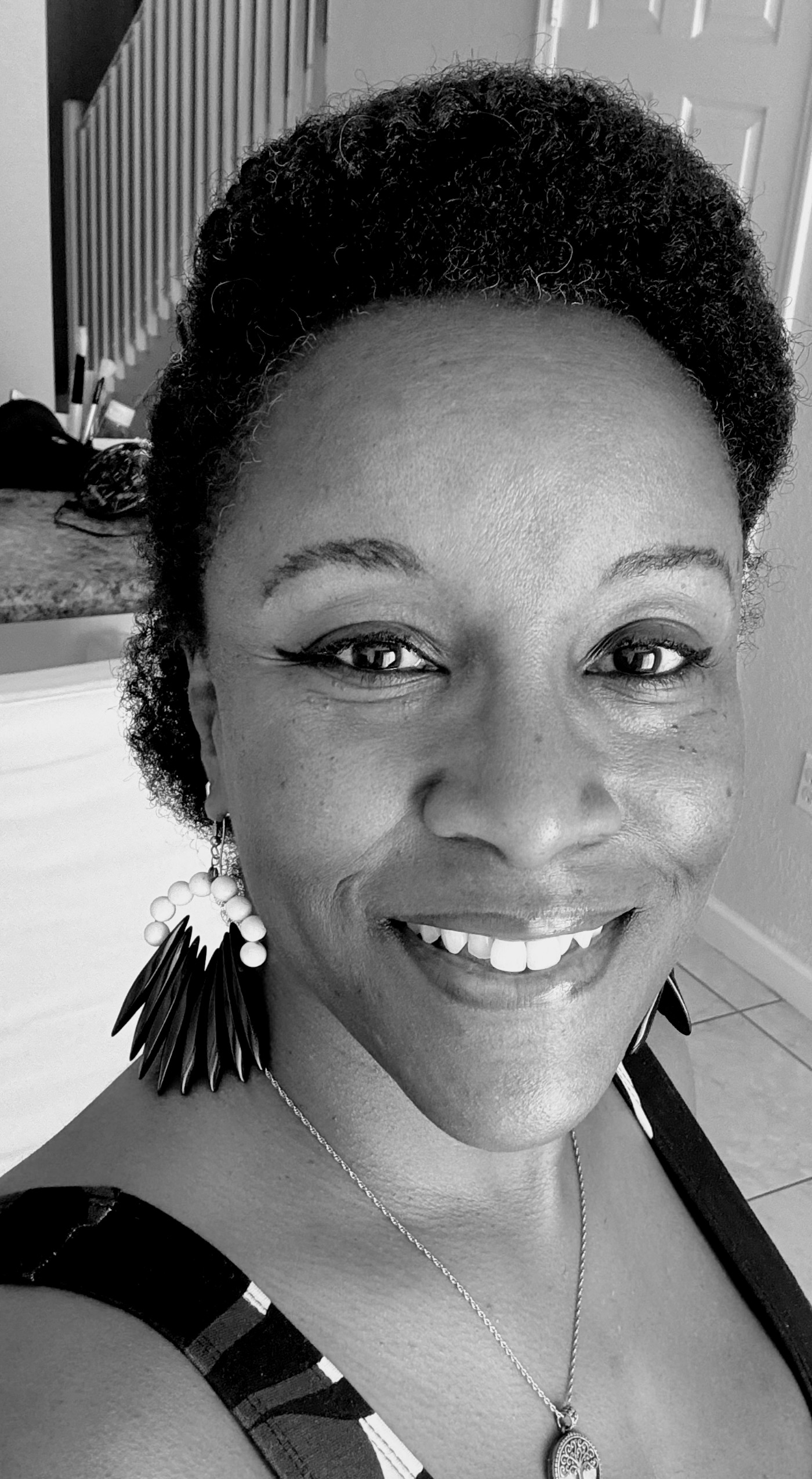
Marcie Washington, PhD. is an Associate Teaching Professor at Florida International University (FIU) in the Politics and International Department and an affiliated faculty of the Extreme Events Institute. She received her PhD in Conflict Analysis and Resolution from Nova Southeastern University and her Master's in International Affairs from Florida State University. Dr. Washington's particular interest focuses on marginalized communities, civil society, conflict, and collective action. Her approach to community engagement is shaped by her work in Conflict and Peace Studies and African and African Diaspora Studies, as well as by her lived experiences as a daughter of the Gullah heritage, born and raised in Yonges Island, SC. Dr. Washington academic and community work examines the processes that unfold within and between groups to foster collective action and cooperation. She explores how shared grievances, injustices, group efficacy, and intergroup dynamics shape whether communities mobilize or remain fragmented. Central to her scholarship is the argument that collective action cannot be fully understood without close attention to collective memory. Memories of past struggles, exclusions, victories, and solidarities do not simply recount history—they actively shape how groups interpret present conditions. Through remembrance, communities construct narratives about who they have been, what they have endured, and what they deserve. In this way, Dr. Washington's work reinforces the reality that identity and memory is not static; it is a sociopolitical act that is continually negotiated through shared stories that link past experiences to future aspirations.

.png)